
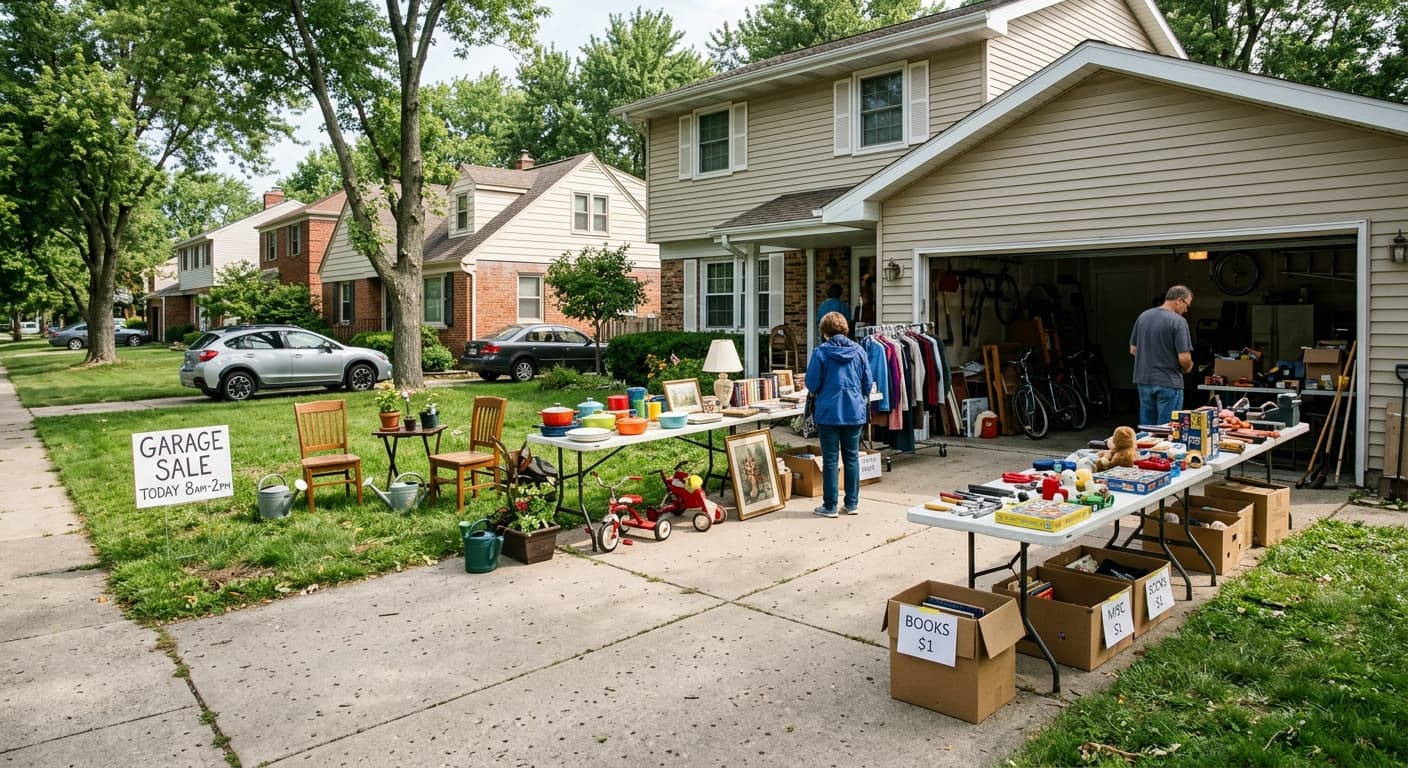
Type “estate sales near me” into your search bar and you’re usually looking for three things at once: where to go, what you’ll find, and how not to mess it up once you get there.
That last part matters more than people think.
An estate sale is not quite like a garage sale, yard sale, or rummage sale where you can scan a driveway in 90 seconds and move on. You’re often walking through the contents of an entire home—furniture, decor, kitchenware, tools, clothing, antiques, framed art, and the kinds of objects that feel less like inventory and more like a private collection suddenly opened to the public. That’s exactly why estate sales can be excellent for secondhand shoppers—and why a little planning goes a long way.
Start with the listing, not the front door
The fastest way to waste a morning is to show up blind.
Before you head out, use the sale listing and preview photos to figure out whether the estate sale actually matches what you want. A good preview can tell you whether the home leans toward furniture, clothing, decor, kitchen items, tools, or a mix of categories. That helps you avoid treating every sale like a mystery box.
For estate-sale shoppers, City Wide Finds is especially useful here: you can check local listings, look over details, and map out a route before you start driving. That matters when you’re deciding whether to be first in line for a furniture-heavy sale or save your time for one with smaller household finds.
A few details are worth checking every single time because estate sales do not all run by the same rules:
- Is it cash only?
- Is there an early bird sign-up sheet?
- Is there a numbered or organized entry system?
- Are there preview photos showing the categories of items?
- Are there notes about pickup timing for large purchases?
If you already like planning neighborhood sale mornings, the logic is similar—just with more variables. Timing still matters, and if you want a broader strategy for start times, When Do Garage Sales Start? A Region-by-Season Guide to Garage Sale Timing (and Start Times) pairs well with the way many secondhand shoppers build their route.
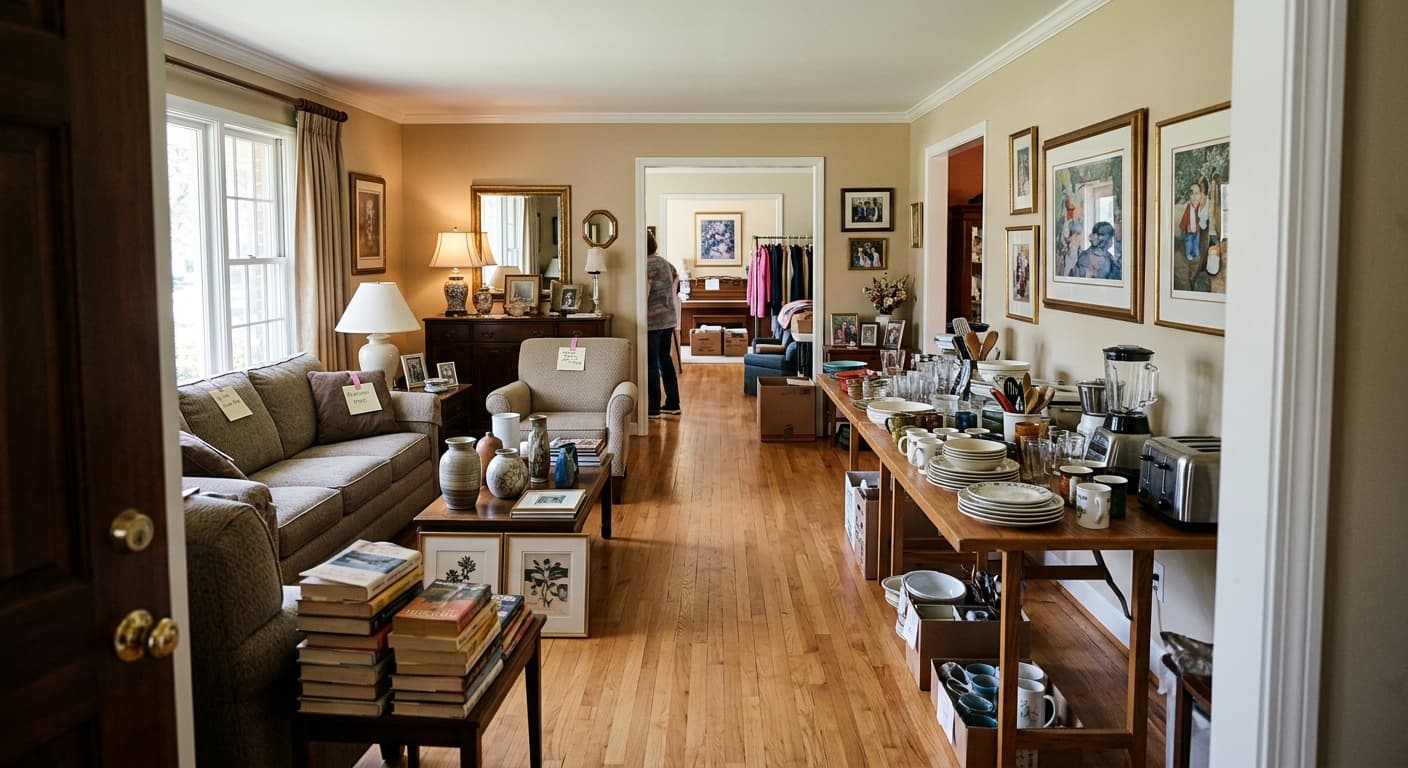
The first-day/last-day split is the whole game
Here’s the simplest estate sale truth: you usually have to choose between best selection and better odds of a discount.
Arrive early if you want the strongest shot at popular furniture, antiques, collectibles, or standout decor. Multiple sources note that first-day pricing is often firm, especially on premium or high-interest pieces. In plain terms: if you fall in love with the best item in the house, do not assume the price will soften while you “think about it.”
On the other hand, if the first-day prices feel high, it can make sense to come back later. Later-day discounts are often more likely, especially toward the end of the sale. One source highlighted a final-day framed photograph purchased for $37—a good reminder that patience can pay off, just not always on the item everyone else wanted too.
So your plan should match your goal:
- Hunting for the best pieces? Go early.
- Hunting for value? Consider a return trip.
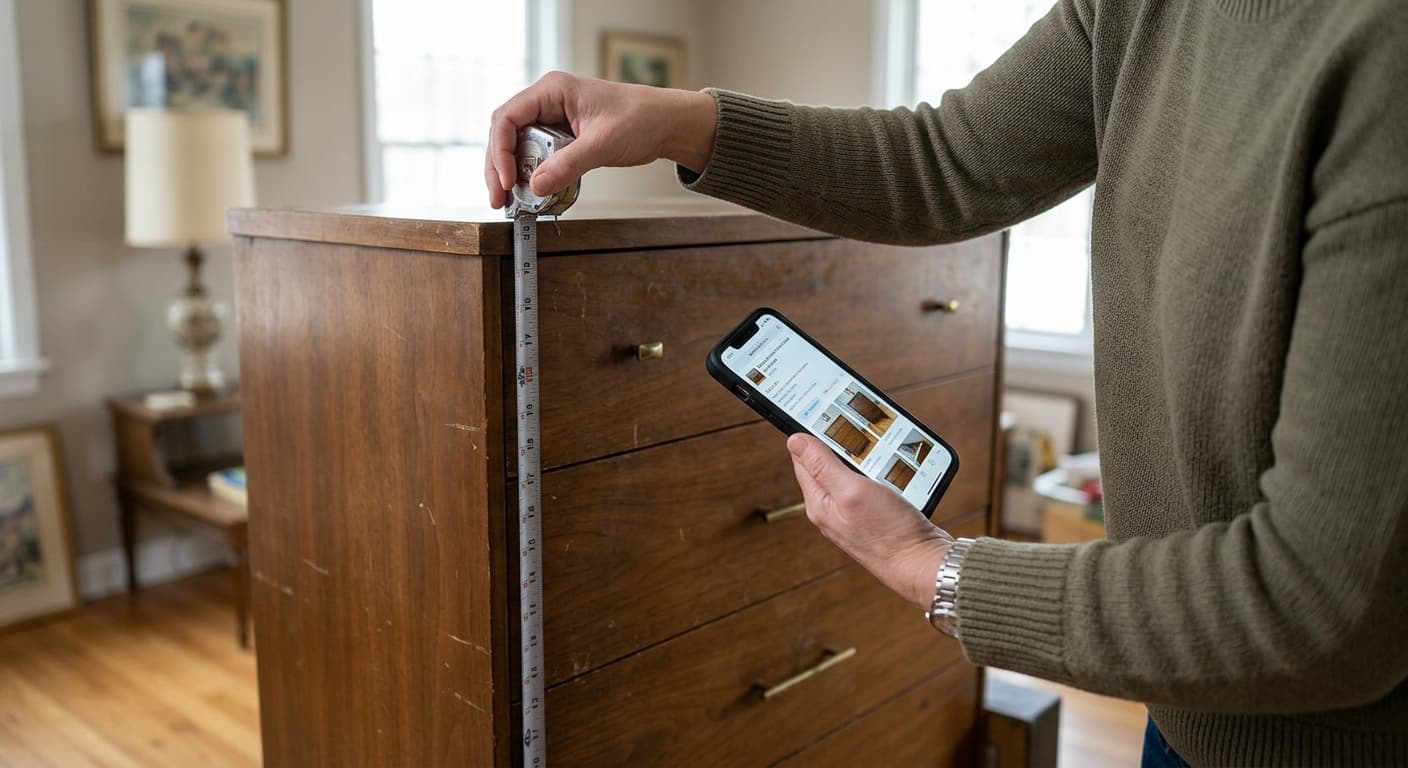
- Shopping large furniture? Go early with measurements in hand.
- Browsing for decor or household extras? Later days may be worth a look.
That rhythm feels familiar to garage sale regulars too: first pass for the must-haves, second pass for the maybe-deals. Estate sales just tend to be more structured about it.
What to expect once you’re inside
The phrase “estate sales near me” sounds casual. The experience often isn’t.
Some sales use orderly entry systems. Some have sign-up sheets. Some let shoppers use a hold area near checkout while they continue browsing. Some allow later pickup for larger items, but usually only if pickup happens before the sale ends. None of that should be assumed.
A smoother visit usually comes down to practical prep:
Bring cash, but expect policies to vary. Set a budget before you walk in, especially because an estate sale can make ordinary household items feel oddly irresistible when they’re grouped together in a lived-in space. If you’re interested in larger pieces, bring measurements. If you buy multiple items, consider asking about a bundle price.
And if you’re eyeing a dresser, table, or oversized chair, ask about pickup timing before you commit. “Can I get it later?” is a better question before checkout than after.
The etiquette part is not optional
This is where estate sales differ most sharply from the more relaxed chaos of a yard sale.
You are not just shopping objects. You are moving through someone’s household contents, and that can feel emotional. Staff are managing traffic, questions, and sale rules all at once. Shoppers who do well at estate sales understand that respect is part of the process.
Good etiquette is simple:
- Be kind to staff.
- Ask before moving large pieces.
- Ask before testing electronics.
- Ask before tagging an item.
- Use the designated hold area if one exists.
- Never place your own sold or hold note on an item without permission.
The flip side is just as important. Common mistakes include expecting thrift-store pricing on very nice furniture, assuming every estate sale follows identical rules, failing to plan for large-item pickup, and getting rude when a popular piece is priced firmly on day one.
There’s also a quieter shopping mistake: focusing so hard on name brands that you miss pieces you genuinely like. Estate sales are full of one-off finds. Sometimes the best thing in the room is simply the thing that fits your home.
For deeper reading on the etiquette side, Estate Sale Etiquette | The Do's and Don'ts of Estate Sale Shopping and Estate Sales 101: Where to Find Them, How to Shop Them, and ... both reinforce how much rules and tone can vary from sale to sale.
Shop like a realist, not a treasure-hunting caricature
The smartest estate sale shoppers are rarely the flashiest. They’re the ones who do a little homework, know what they’re after, and stay flexible.
That means reviewing listing details, checking previews, understanding the sale’s rules, and deciding in advance whether you’re there for first-pick selection or later-price potential. It means knowing that a hold area is a convenience, not a guarantee you can invent yourself with a sticky note. It means remembering that large items may stay put until pickup—but only within the sale’s timeline.
And it means using the search itself more strategically. If you’re actively looking for estate sales near me, don’t just chase addresses. Check the details that actually shape the day: entry system, item categories, payment notes, and pickup instructions. That’s the difference between a rushed stop and a productive route.
If you’re ready to start planning your next stop, browse local sales on City Wide Finds and check the listing details, previews, and timing before you head out.