
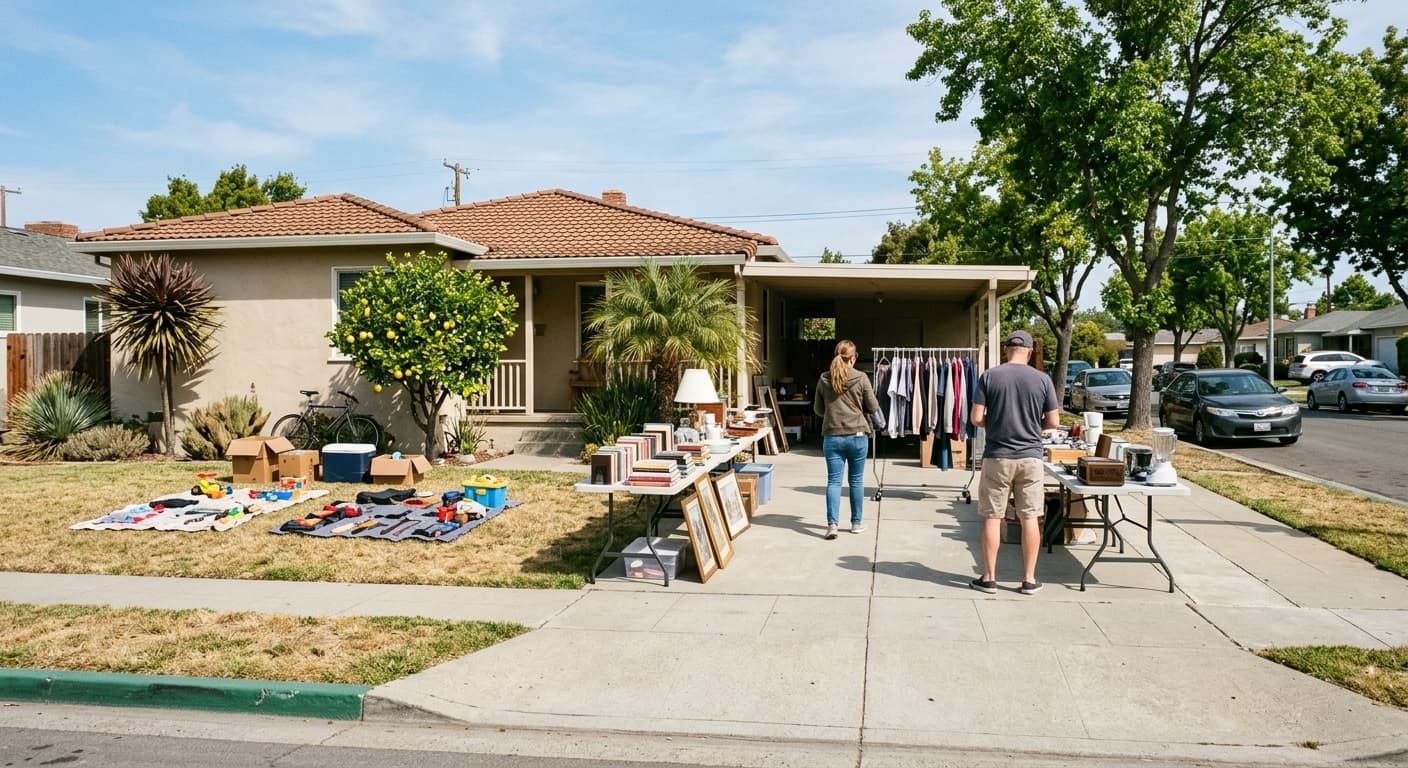
Santa Clara runs two official citywide garage sales in 2026: April 18 and August 8. Both are organized through the city's Environmental Programs division, and both use the same system: an interactive online map where shoppers can search for specific items and see exactly which registered sales have what they're looking for.
That item-search feature is the thing worth paying attention to. Most citywide garage sales just give you a list of addresses. Santa Clara's map lets you type in what you want — tools, kids' toys, kitchen items, furniture — and see which sales match, plotted on a map. It turns a vague Saturday drive into a targeted shopping trip.
The spring sale on April 18 is the next one coming up. Here's what's actually useful to know.
How the map and search actually work
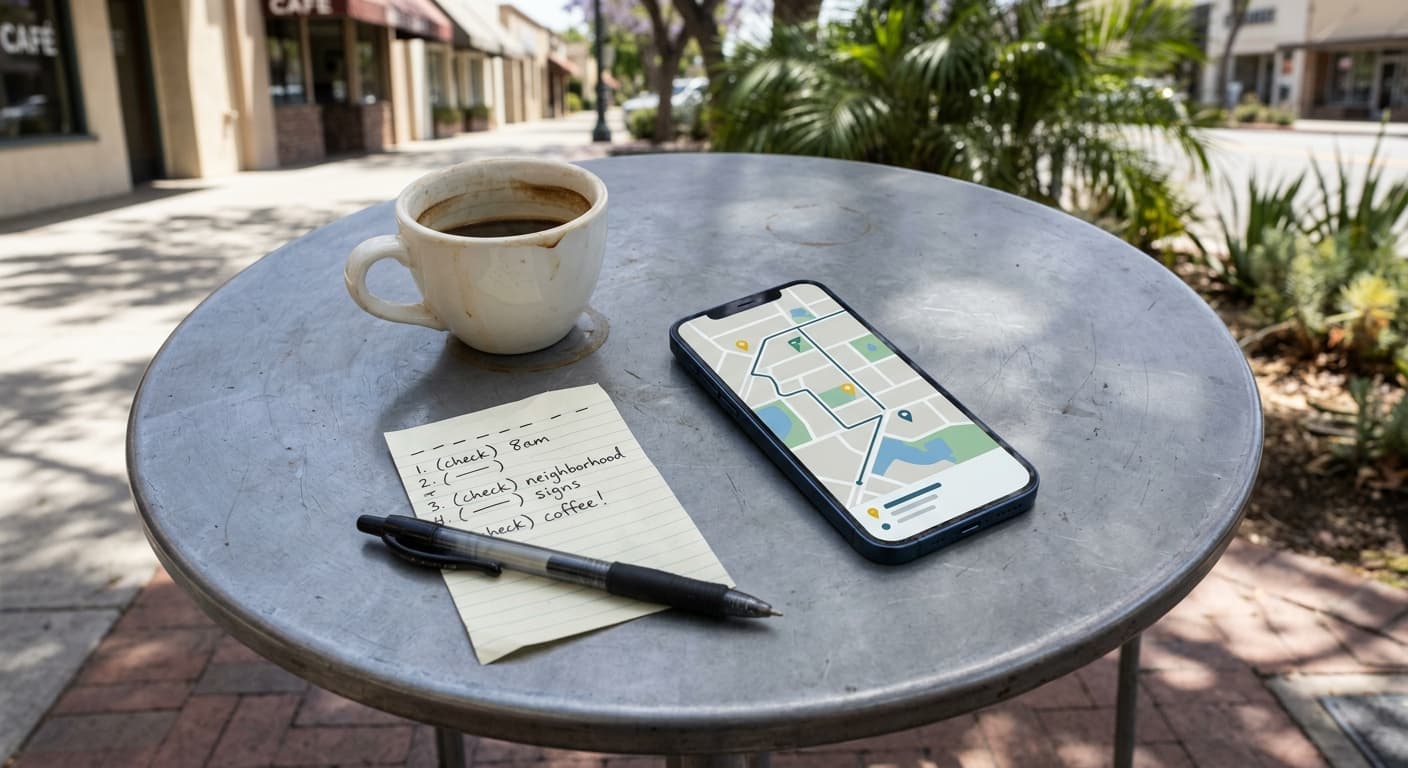
Once registration opens, sellers fill out a form with their address and a description of what they're selling. Those listings populate an interactive map where buyers can search by item type or browse by location.
The practical way to use it: before you head out, pull up the map and search for whatever you're looking for. The results show you which sales match and where they are. You can then build a route around a cluster of pins instead of driving the city blind. In a metro area where traffic and parking eat into your morning fast, that's a real advantage.
If you'd rather scan everything at once, there's also a downloadable spreadsheet available after registration closes. It lists all participating sales with addresses and item descriptions — useful if you want to sort and plan on a bigger screen before heading out.
One important note: the map is most accurate close to the event date. New registrations appear as they're approved, and sellers can update their item lists. Check it the morning of April 18, not just when it first goes live.
What you'll actually find at Santa Clara sales
Santa Clara is about 19 square miles with roughly 130,000 residents. It's a mix of older established neighborhoods — many from the 1950s–70s housing boom — and newer development. The housing stock skews toward single-family homes with garages, which is about as ideal for garage sales as a city layout gets.
The inventory reflects Silicon Valley demographics: a lot of tech professionals, young families, and people who upgrade frequently. That means you'll often see quality electronics and accessories, kids' gear that's been outgrown, home office equipment, and household items from people who are moving, downsizing, or just clearing out. Furniture is common too — Santa Clara's homes trend toward the mid-size range, and people regularly cycle through pieces as their needs change.
The city's own framing positions the sale partly as a reuse and waste-diversion effort — it's run by the Environmental Programs team, and the April date is deliberately placed before the city's annual cleanup campaign. That's worth knowing because it means some sellers are specifically motivated to get rid of things before the pickup window. Translation for shoppers: motivation to sell often means better prices and more willingness to negotiate.
Getting around on sale day
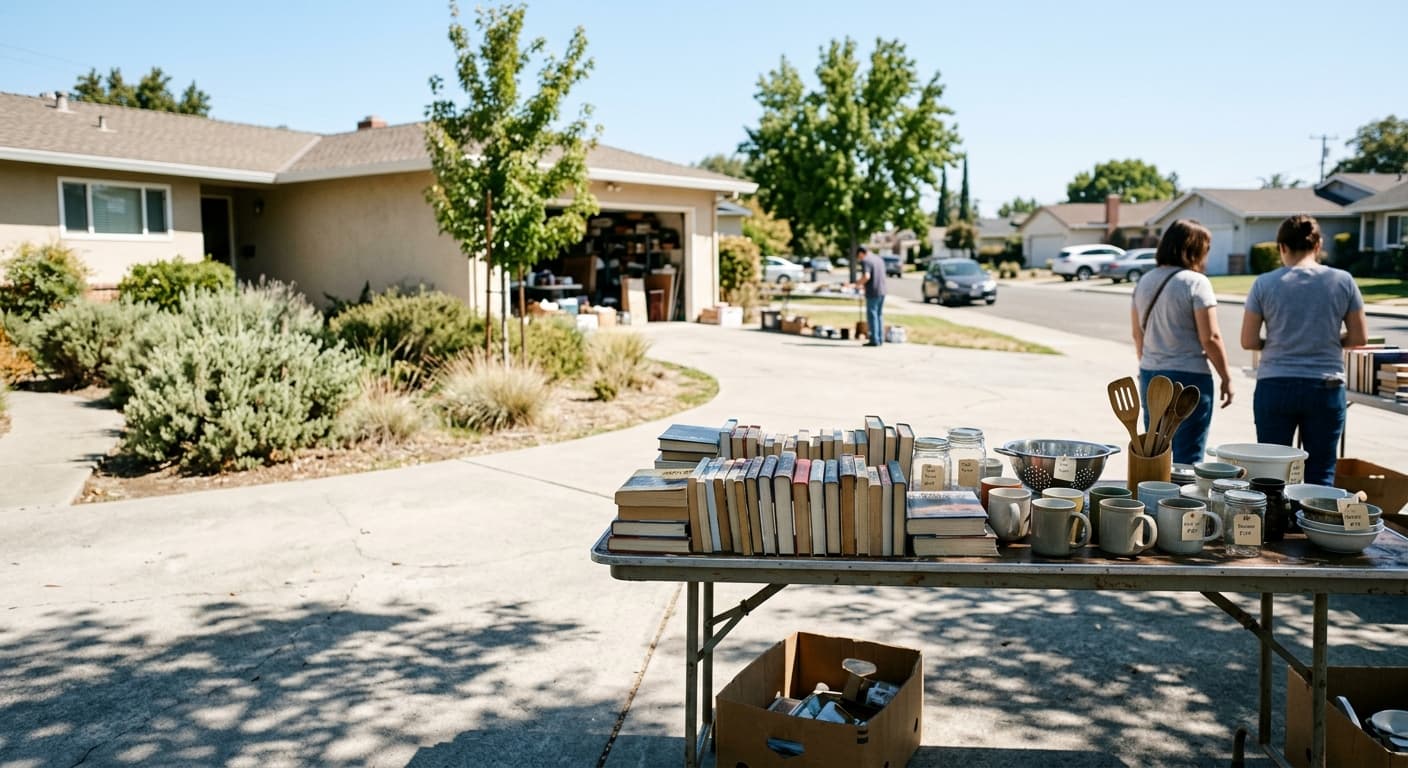
Santa Clara is a grid-friendly city, but it still has enough size that zigzagging across all 19 square miles will eat your morning. Use the map to pick a section and work it before moving on.
A few things that affect the day logistically:
Parking is the main friction point. The city specifically asks shoppers not to block driveways, fire hydrants, or handicap zones — and not to park in red zones even temporarily. Residential streets fill up fast near popular sales. Plan to walk a bit from where you park.
Don't drive slow to scope sales from the street. This is actually in the city's official guidance. If something looks interesting, pull over and park rather than crawling past. It's safer and more courteous to neighbors.
Respect posted start times. Showing up before a seller is ready is one of the fastest ways to make a bad impression. If you arrive early, the city's advice is to wait or come back later.
Bring small bills and coins. Most sellers won't have change for a $50. Having $1s, $5s, and quarters makes every transaction faster.
For sellers: how to get listed
Sellers register through the city's online form (the link opens when registration is active for each sale). You'll enter your address, the date(s) you're participating, and a description of what you're selling. Once approved, your sale appears on the interactive map.
The item description is the most important field on that form. Since buyers search by keyword, what you type is what determines whether anyone finds your sale. "Household items" is vague enough to be invisible. "KitchenAid mixer, cast iron pans, knife set, Instant Pot" will show up when someone searches for any of those things.
A few seller tips from the city's own guidance: create a master list with items and prices before the day, have change and bags ready, post signs only on private property (not on utility poles or street signs), and donate whatever doesn't sell — the city points to RecycleStuff.org for places that accept donated goods.
April isn't your only shot
If you miss the April 18 sale or want a second round, the August 8 citywide sale uses the same format — same interactive map, same registration process. The summer sale tends to draw a slightly different mix of inventory (more outdoor gear, summer sports equipment, seasonal items) and is worth keeping on the calendar even if you shop in April.
For questions about either sale, you can reach Santa Clara's Environmental Programs team at [email protected] or 408-615-3080.
If you want to keep tracking Santa Clara-area sales between the two citywide events, browse garage sales in Santa Clara on City Wide Finds →